A sale page can contain full price products while its introduction still promises a category wide reduction. Add a guide pointing to an earlier offer and a banner with an expired deadline, and your customer has a small detective job on their hands.
Reusing the destination through the year may make sense. Leaving several versions of its promise live together doesn't. Even where the page attracts useful visits, it needs one coherent commercial state: clear eligibility, identifiable products and maintenance that reaches the complete route.
Describe the promotion that's actually approved
Write a plain description of the eligible products and the approved conditions. “Sale” doesn't say enough if only selected configurations participate.
Ask what a visitor should be able to understand without opening several unrelated pages. They need to recognise which offer applies and know how to inspect the current product conditions.
For a hypothetical bedroom retailer, selected storage beds on promotion do not amount to a reduction across the whole bedroom range. The words and the product selection need to agree on that scope. Correct their relationship before spending time making the headline more persuasive.
Get the price basis confirmed
Ask the commercial owner to approve the actual price basis and incentive. An old spreadsheet or a competitor's presentation isn't a sound basis for the content team to infer a discount claim.
Use reliable current records. Involve the appropriate specialist where a legal or pricing question needs review. This article cannot establish whether a specific promotional claim complies with the requirements that apply to it; the point here is that the operational facts need verifying.
Keep included services separate from optional costs. A headline reduction becomes difficult to judge if the package has changed or relevant conditions are unclear. The comparison needs to concern the offer somebody can actually buy, with its contents attached to the attractive number.
Check eligibility where people choose the product
Inspect the collection and representative product pages together. A promotion described above the grid doesn't establish that every displayed item qualifies in the same way.
Try realistic configuration changes. One participating style may include options with different prices or eligibility. The selected state should explain the applicable conditions, rather than leave the visitor to deduce them from the category message.
If the offer requires the customer to take a step, verify both the explanation and what the website does. Internal approval is only part of readiness. The customer must be able to understand and use the promotion as intended.
Keep today's offer separate from the permanent page
A sale destination may serve an enduring purpose while its products and conditions change. Record which copy and visuals depend on the current campaign so they can be reviewed together.
Don't let successive offer messages accumulate simply because each was once useful. They can end up suggesting several incompatible conditions apply at the same time.
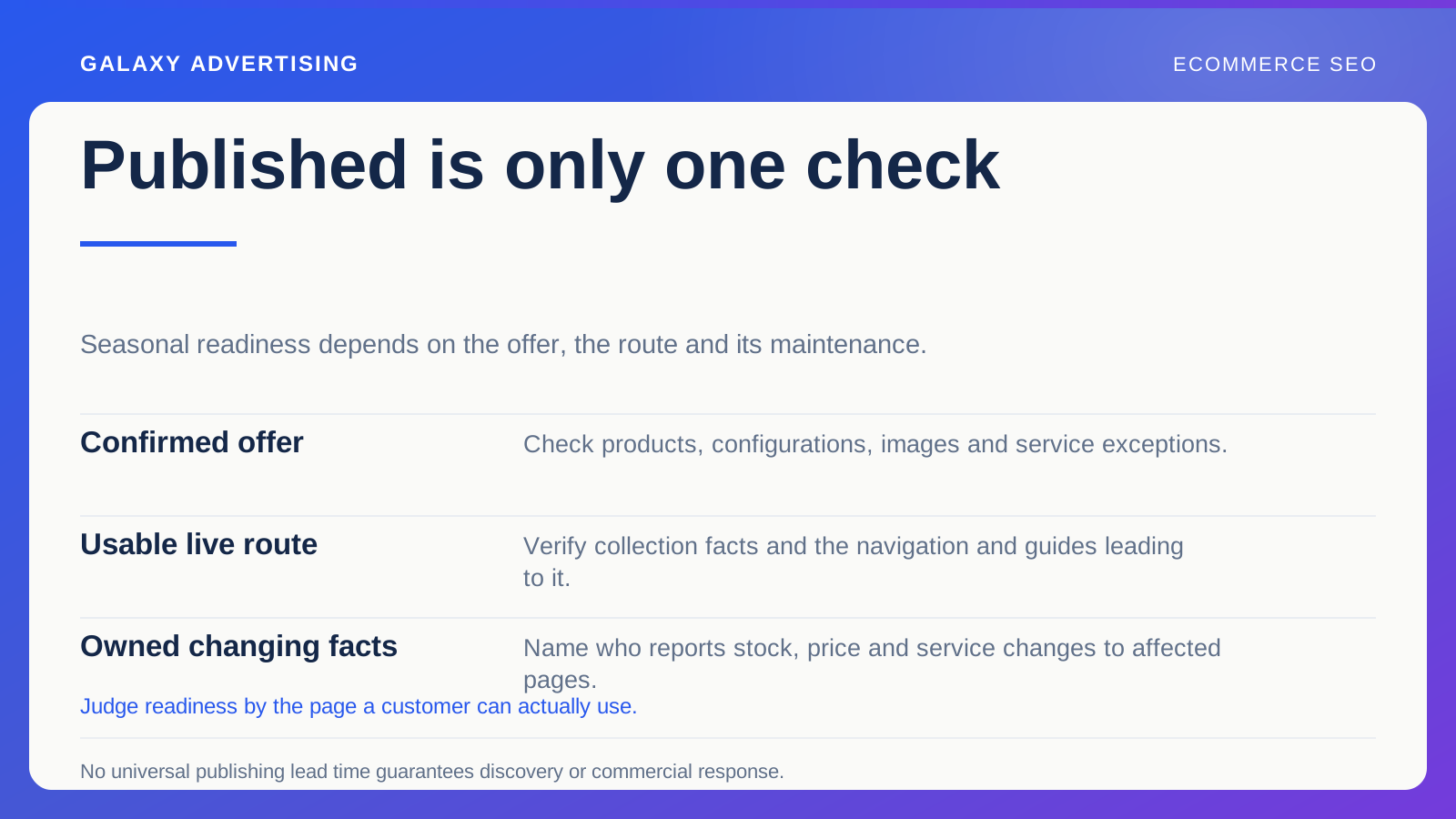
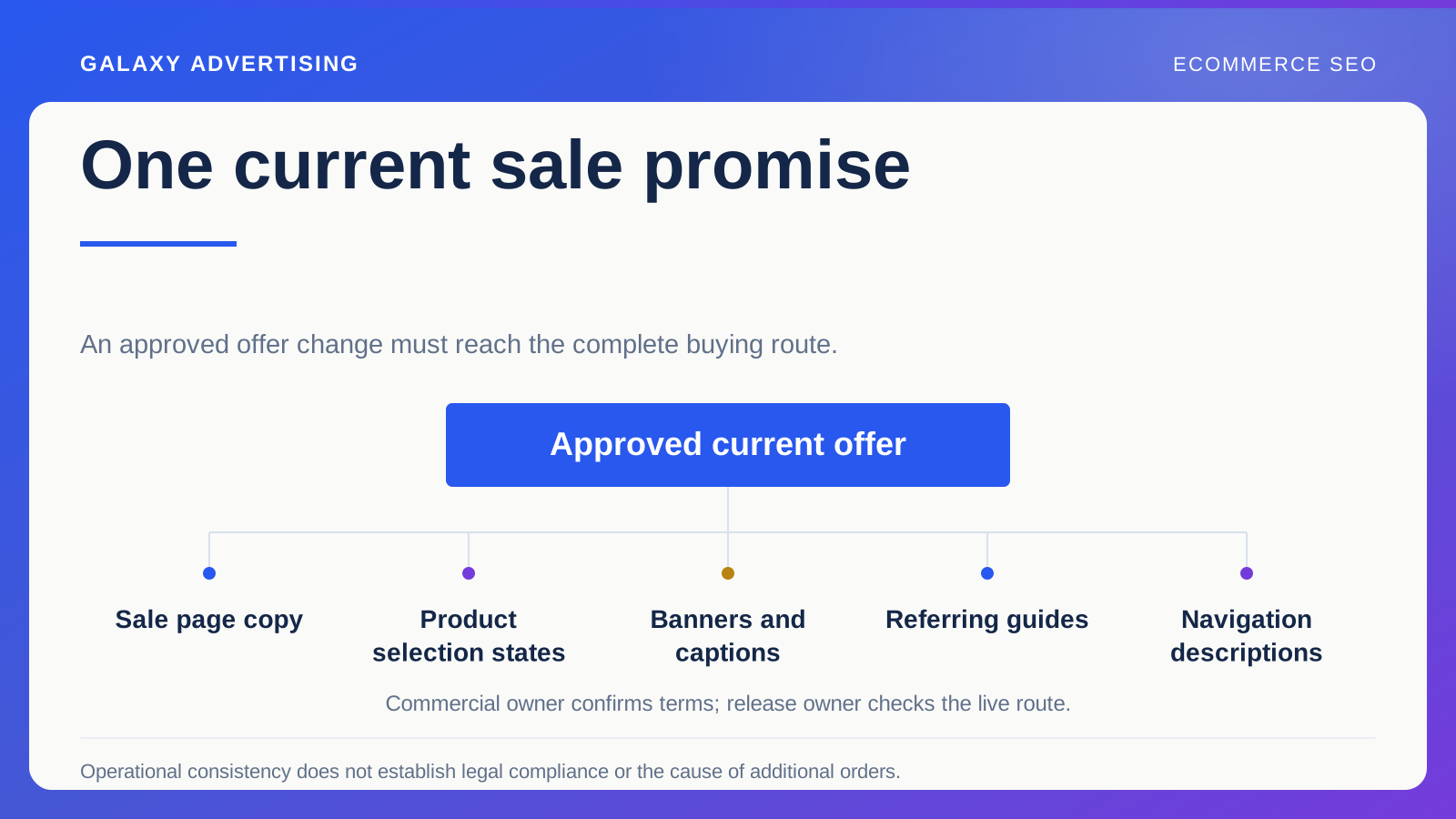
Choose a clear source for the current state and a release owner to check the complete page. Look beyond the main banner to headings, product labels, images and relevant links. An expired promise tucked into a caption or explanatory paragraph is still a promise, however quietly it survived the update.
Check what visitors are told before they arrive
Find the important guides, navigation elements and other pages sending people into the promotion. Their descriptions need to agree with what the destination now contains.
A guide promising a particular package can become inaccurate while its link still works perfectly. A functioning link only proves technical availability. Update the wording or give the appropriate explanation when its meaning no longer matches the destination.
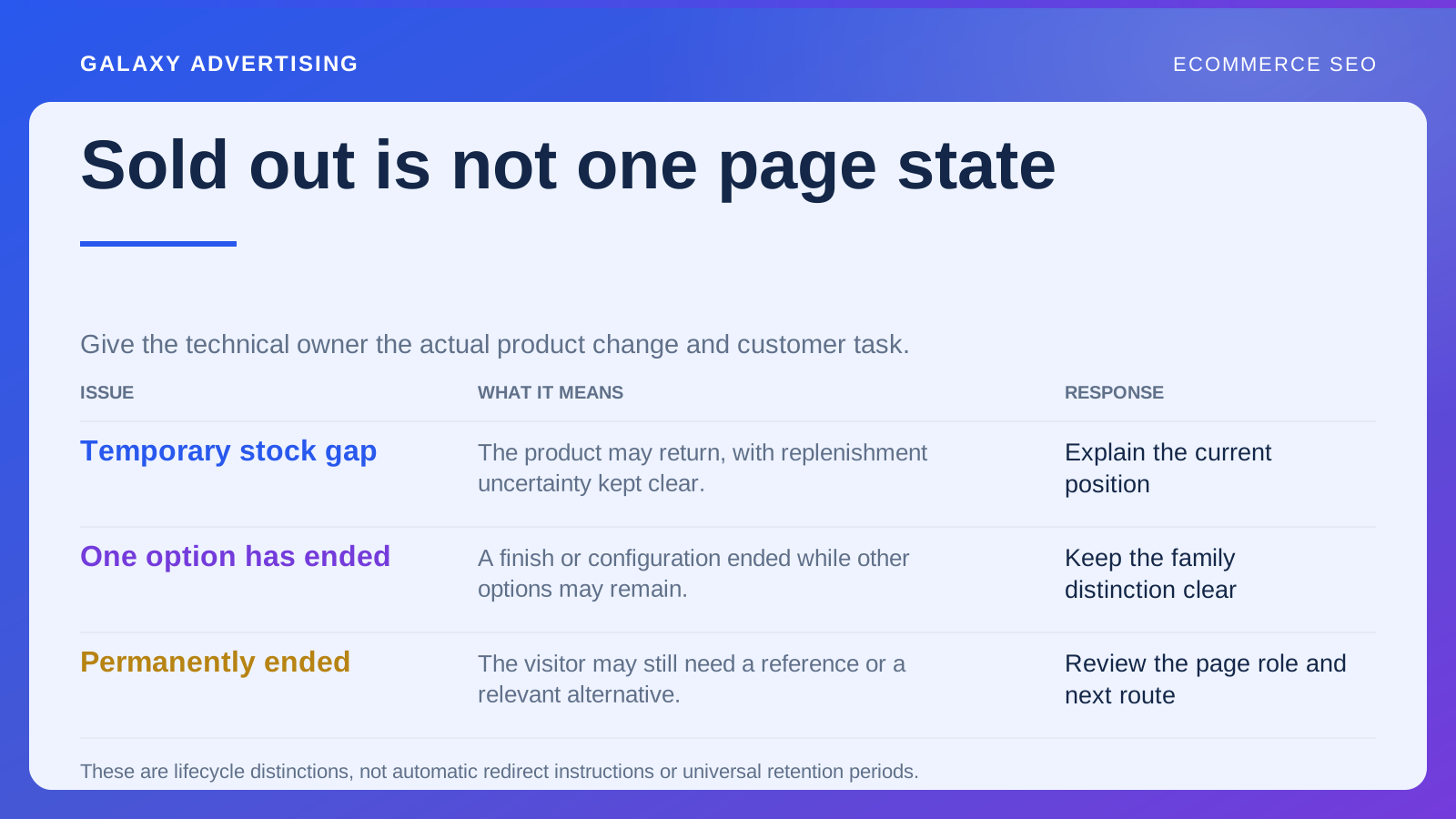
When an offer ends, think about the customer arriving from older material. They may need to understand the change and see relevant current options. Sending them somewhere unrelated without explanation strips useful context from the decision they came to make.
Be careful about what the results prove
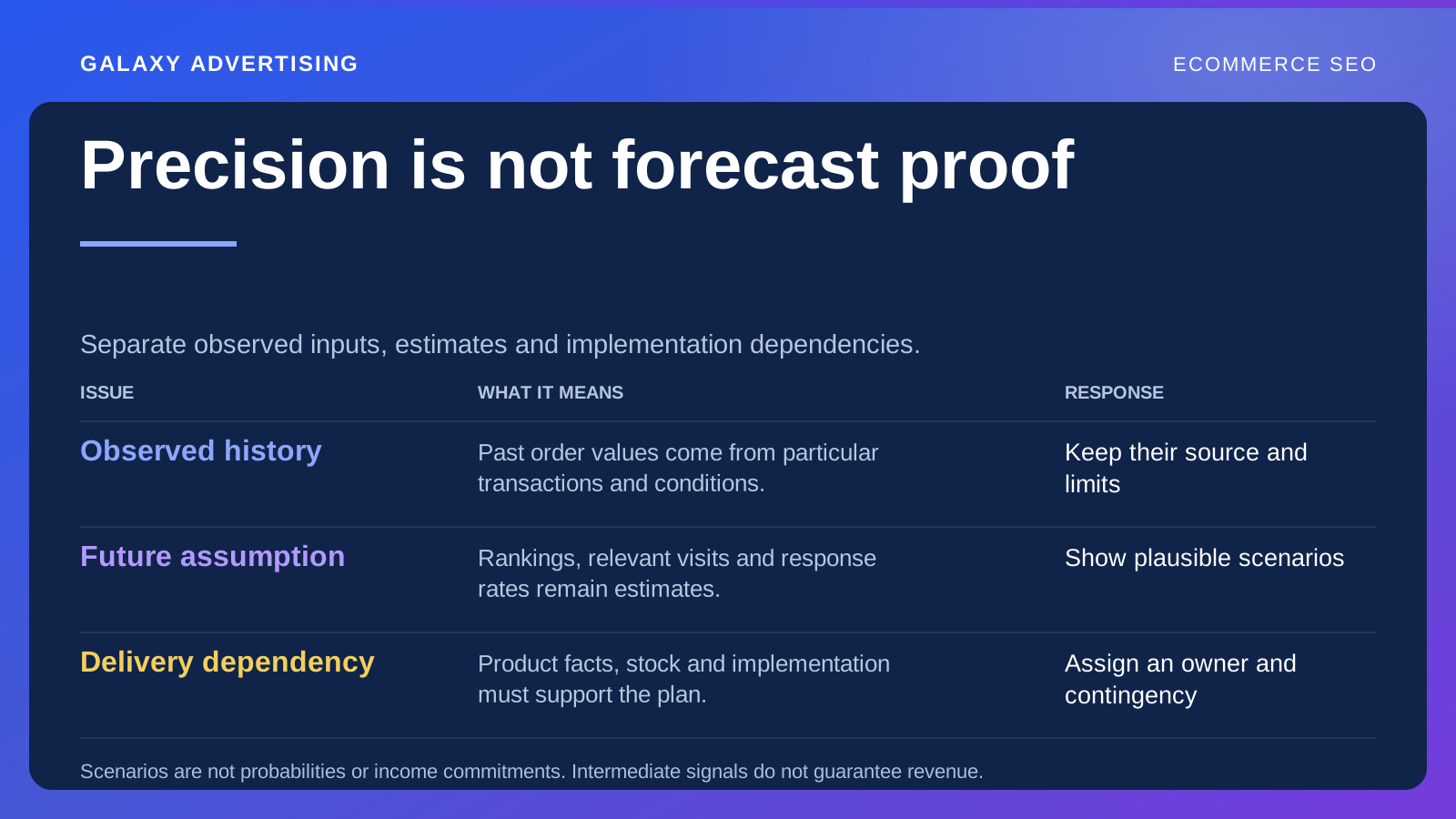
Review relevant search discovery, product exploration and commercial outcomes with consistent definitions. Include the scope of the offer and material stock, price or other activity changes.
More organic orders during a sale don't establish that a particular edit caused the rise. The incentive itself, wider marketing and customer timing can all influence what happened. Keep those possible explanations in view.
Where contribution is your objective, connect the review to the money remaining after the incentive and relevant costs. Revenue can rise while that amount falls. Explain the order economics instead of counting every additional sale as the same kind of progress. More orders aren't a complete commercial verdict.
Try the option most likely to cause confusion
Choose a configuration close to the edge of the eligibility conditions and follow its route. In a hypothetical participating bed style, for example, one size might be excluded or priced differently.
The test is what a new customer sees. It isn't enough that the internal promotion record contains the correct rule. If the exception reveals unclear wording, correct the shared presentation before launch.
Making the main banner more prominent won't resolve a contradictory selection state. A useful review challenges the awkward conditions as well as checking the straightforward eligible item. That's where a general promise and an individual offer can part company.
End the offer with an explanation customers can see
When conditions end, update the destination and its important referring routes. If a page genuinely moves or no longer has a useful role, ask the technical owner to choose the appropriate treatment.
Then verify the live result. A planning record doesn't remove a promise from the site. Keep the approved version and the change decision accessible so another person can establish what the page should represent.
A sale page earns trust when visitors can identify and assess the current offer. It doesn't need to carry every incentive it has ever advertised. One coherent state gives the search visitor a clearer buying route, and gives you a more reliable basis for judging what the promotion achieved.