 TikTok Ads
Is your bestseller the right product for a TikTok video, or simply the item that already sells well? Familiar demand, recommendations and purchases alongside another item can all support its popularity. A short video still needs to give an unfamiliar viewer a clear reason to investigate.
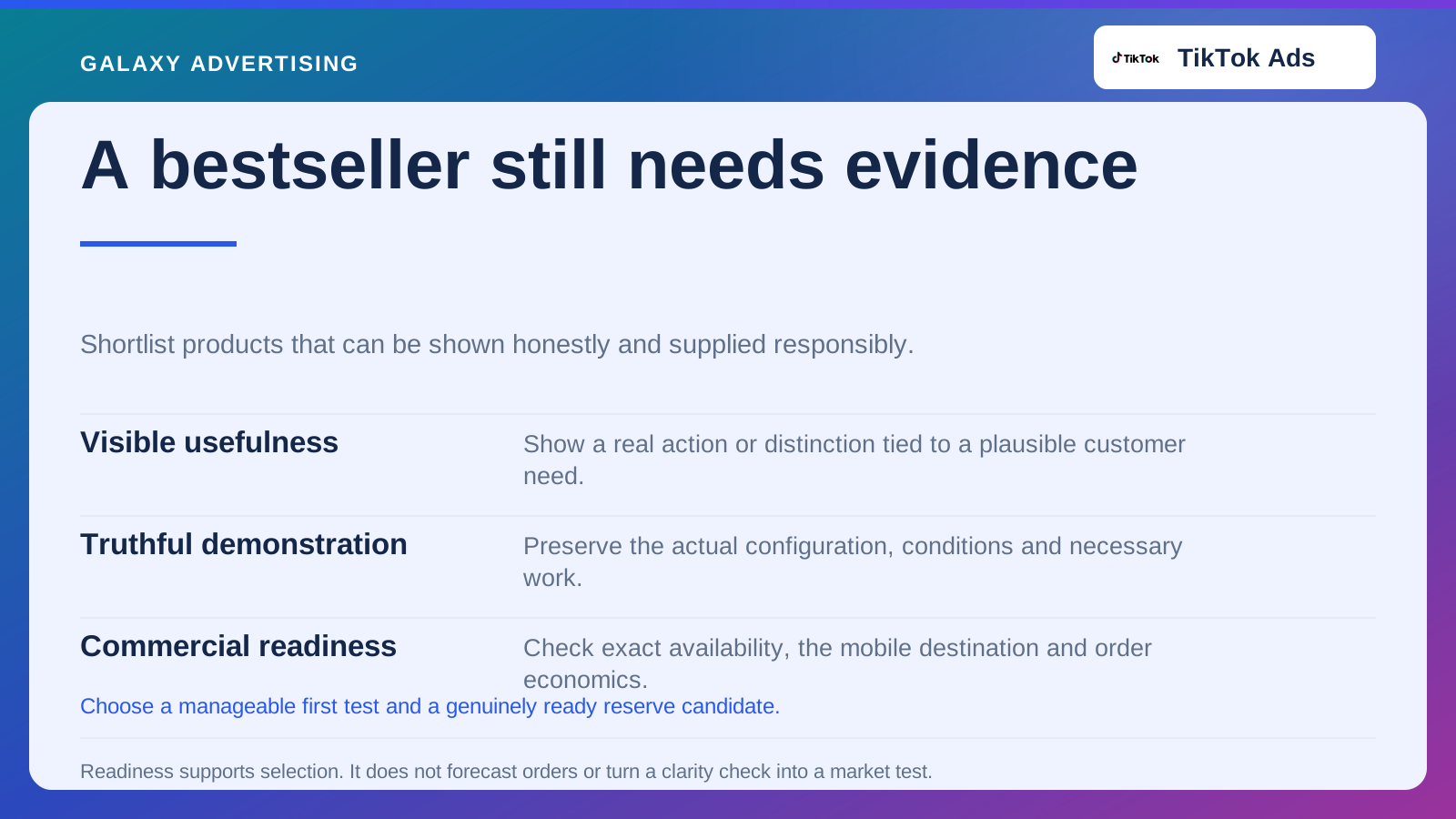
That makes the shortlist a production decision as well as a merchandising one. You need something you can demonstrate honestly and supply responsibly.
Check those conditions before organising a shoot around the most fashionable product. The useful first test starts with an offer ready to explain, rather than a sales ranking treated as a creative brief.
Find the change the camera can show
Look for an action or distinction that makes sense on camera. A folding mechanism changes an arrangement. An adjustable feature changes use. A storage compartment supports a specific task. Each can give the demonstration something concrete to explain.
The action must matter to a plausible customer need. A complex mechanism isn't automatically a useful benefit. An impressive demonstration can win attention unrelated to a suitable purchase, so visible novelty alone isn't enough to justify selection.
For a hypothetical compact desk range, you might ask how the product moves between work and storage. That gives production a particular action to show. Making the desk look modern says much less about what the viewer should understand or why that understanding might matter to their decision.
Can you show the benefit without exaggerating it?
Compare the proposed demonstration with the actual product and relevant manufacturer information. Identify the conditions, included components and limitations that need to remain visible or accurately represented. Those boundaries belong in the selection decision before filming.
Don't choose a product whose apparent appeal depends on an unsupported exaggeration. Hiding necessary work shouldn't make assembly seem instantaneous. A performance characteristic needs verification before the video implies it. The scene can make a claim without anybody saying it aloud.
Ask what viewers can judge from the footage itself. Continuous action or a clear scale reference can provide practical evidence. A decorative montage may support atmosphere, but it cannot establish the same claim. Choose products that suit the evidence you can responsibly produce, rather than hoping the edit will overcome the gap.
Check the exact version you're going to sell
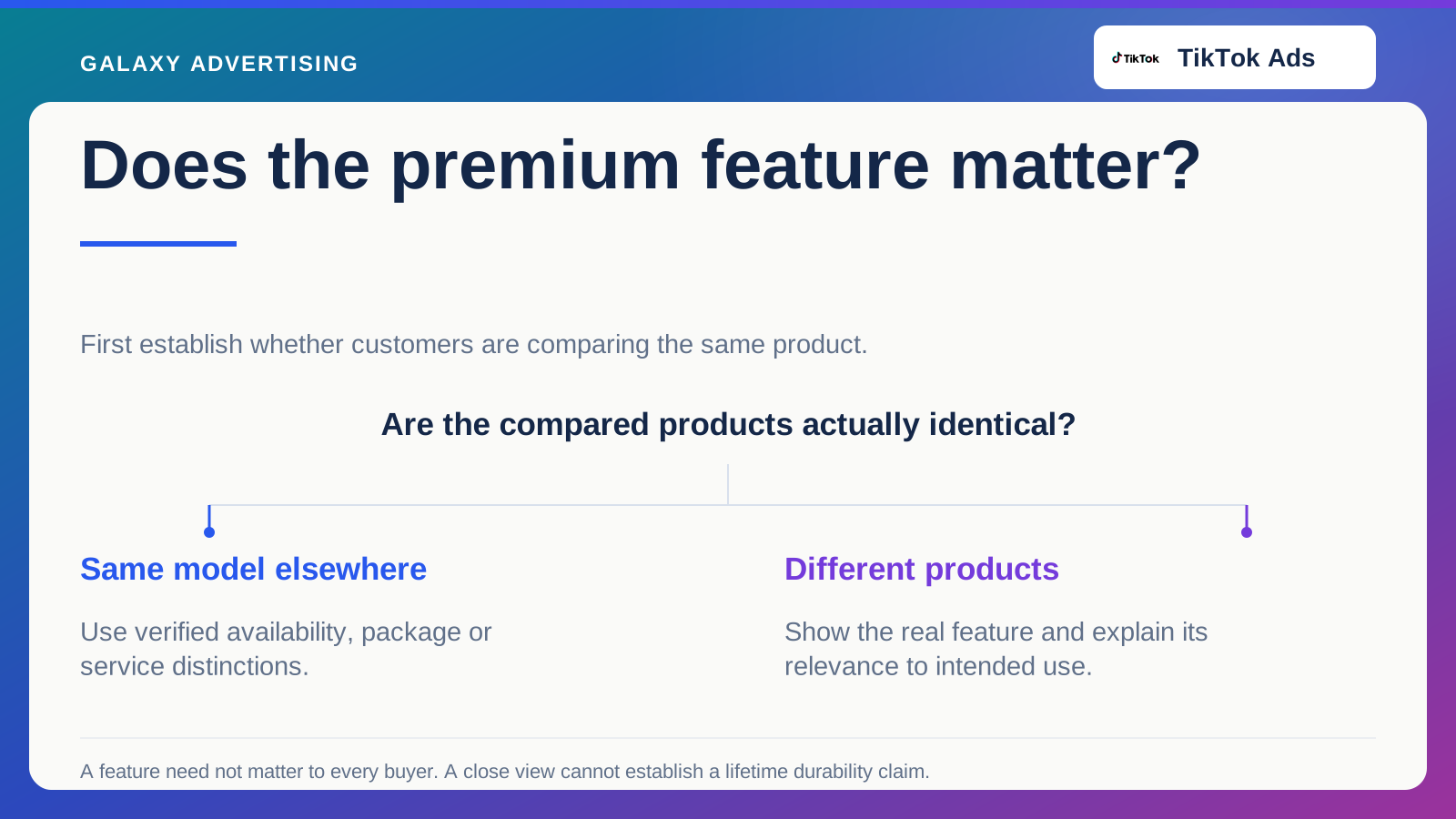
Confirm that the model, finish and package intended for filming are available for the planned offer. A similar looking sample can still have different dimensions or accessories. That creates a mismatch even if the room scene looks convincing.
Review useful availability instead of stopping at a general in stock label. The range can contain inventory while the demonstrated configuration is scarce or unsuitable for the customer task you're showing. The availability that matters is tied to the buying argument.
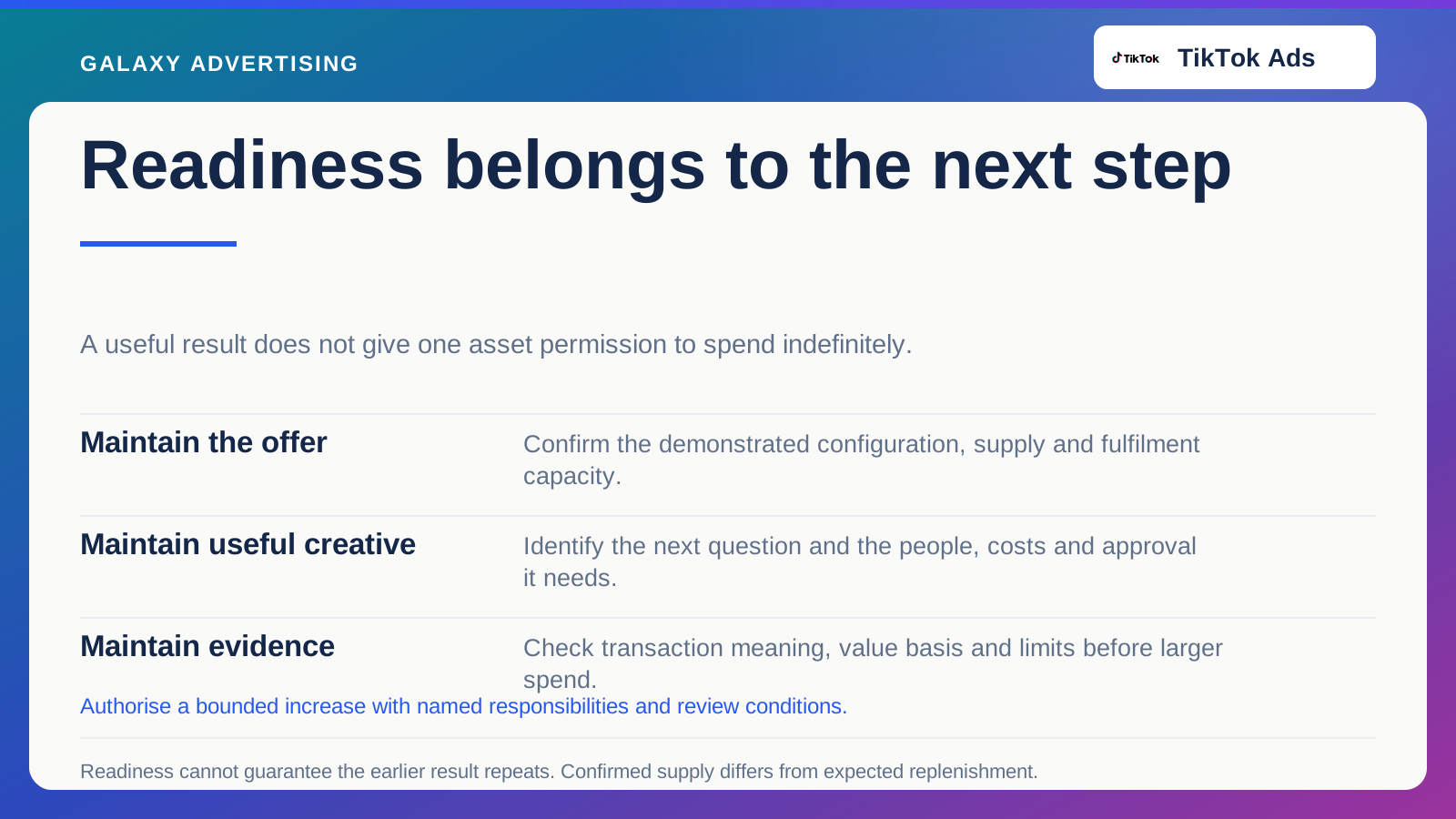
Ask merchandising how updates will reach the campaign owner. A sound choice today can become inappropriate later. Give the shortlist an operating connection to the catalogue, so the approved asset doesn't keep selling an offer that quietly disappears after filming.
Try the destination before choosing the hero
Follow the intended route on a phone. Can a new visitor identify the item, understand its options and find what they need to assess it? A strong visual story still needs an understandable place to continue investigating.
An incomplete or confusing page doesn't necessarily disqualify the product. It creates preparation work with an owner, to be resolved before production and media are funded. The dependency should be explicit rather than inherited by a campaign after launch.
Distinguish a correctable information gap from an unsuitable offer. Missing dimensions need verified facts. An uncompetitive or impractical package may need a commercial decision. An engaging video doesn't remove either problem or establish that customers will overlook it. Selection should acknowledge what still needs changing.
Put the economics and operational effort beside it
Review contribution using your agreed cost basis: the money remaining after the costs included in the calculation. An appealing selling price can leave little acquisition allowance after relevant fulfilment and service costs. The headline price doesn't tell you what the order can support.
Keep estimates visible and involve people who understand operational exceptions. A technically simple item can still generate substantial support or exchange work. Another product may be easier to supply consistently, even if that difference isn't obvious in the catalogue.
Don't invent acquisition outcomes for the candidates. Compare readiness and commercial suitability without pretending to know exactly how many orders each demonstration will generate. You're choosing a defensible first test. Certainty about its performance comes neither from a shortlist nor from a confident production proposal.
Keep the test manageable and the variety meaningful
Choose a small enough set to produce and review coherently. Too many unrelated items can spread production effort and media evidence so thinly that you learn little about any one of them. A larger shoot isn't automatically a more informative test.
Make variety about buying questions rather than different colours in a montage. Storage and adjustment demonstrations can investigate distinct reasons to consider a desk range, provided each refers to an accurate offer. Record why every candidate deserves its place. If several support the same argument, ask whether the difference improves the test or merely adds files.
Prepare one reserve candidate whose offer is genuinely ready. If the first product loses its useful configurations, you can review the reserve's own proposition and evidence instead of pointing to whatever remains stocked. That's an operational safeguard, not a claim that both products perform alike or that existing footage accurately represents the substitute.
Challenge the choice with a release sample
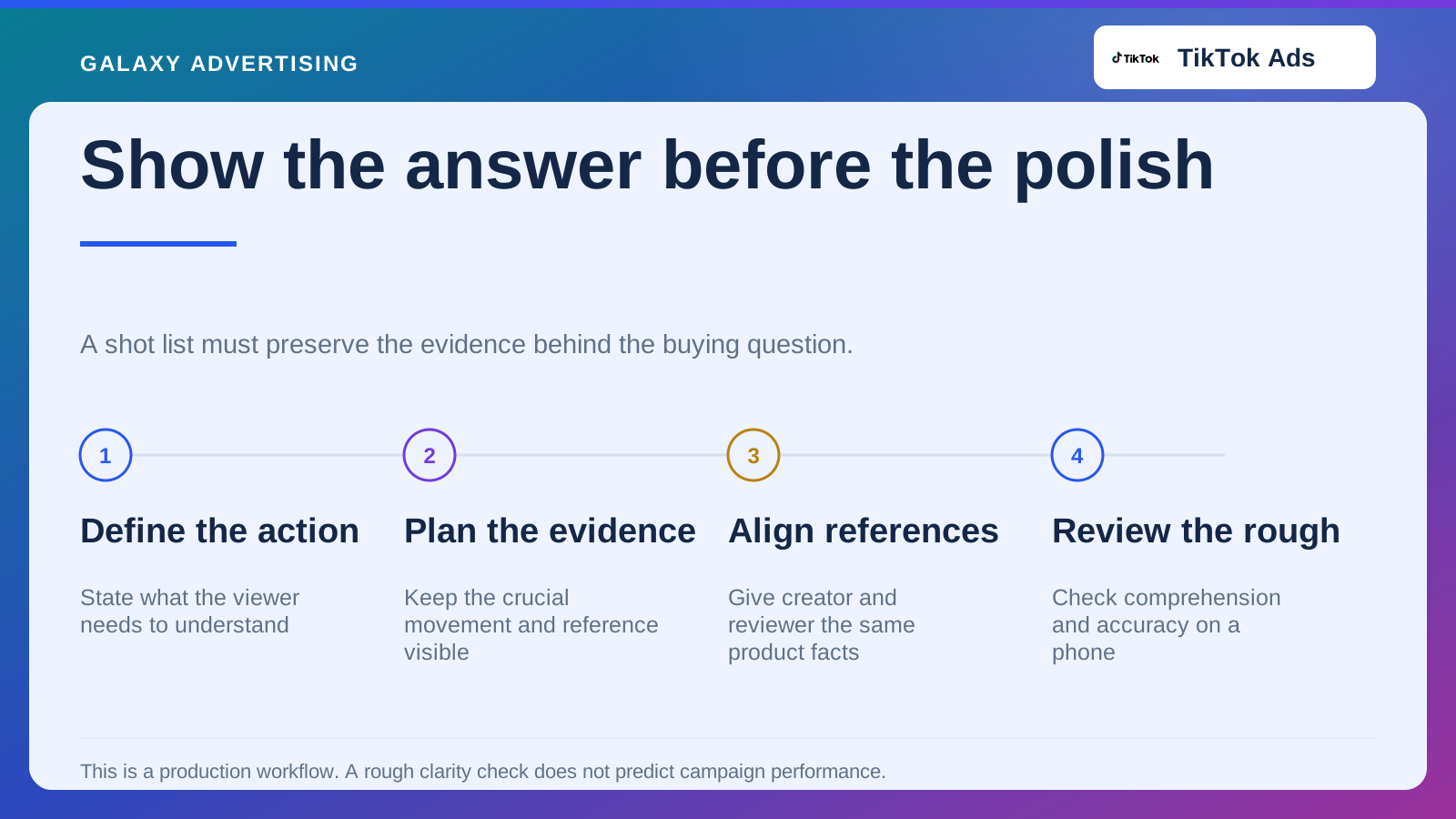
Before filming the full package, review one proposed sequence against the actual product references and destination. Ask somebody unfamiliar with the plan to explain the benefit and the item they expect to receive. Listen for the distinction the sequence was supposed to make.
Their response checks clarity rather than forecasts performance. It can reveal an invisible benefit, ambiguous package or missing fact. Correcting that early is more efficient than defending the selection after filming.
A bestseller may offer demonstrability, reliable supply and an accurate route to purchase. It earns the place when those conditions hold. Popularity alone doesn't tell the camera what useful thing to show.