A customer opens another message about the introductory cleanser bundle they’ve already bought. Your system recognises the purchase, yet the invitation still gives them no useful reason to return. Knowing an order is not the same as knowing the person’s needs.
Build your returning customer plan around the relationship you can actually observe. Accurate order information and relevant questions can help. Assumptions about product use, personal circumstances and the date someone will need more should stay assumptions. Every follow up needs a clear retail purpose and a credible reason to arrive.
Recognise that returning can mean different things
Someone checking directions is doing a different job from someone comparing a new shade. Another customer may want their usual product in a larger package. Don’t automatically put all three into the same generic repeat purchase message.
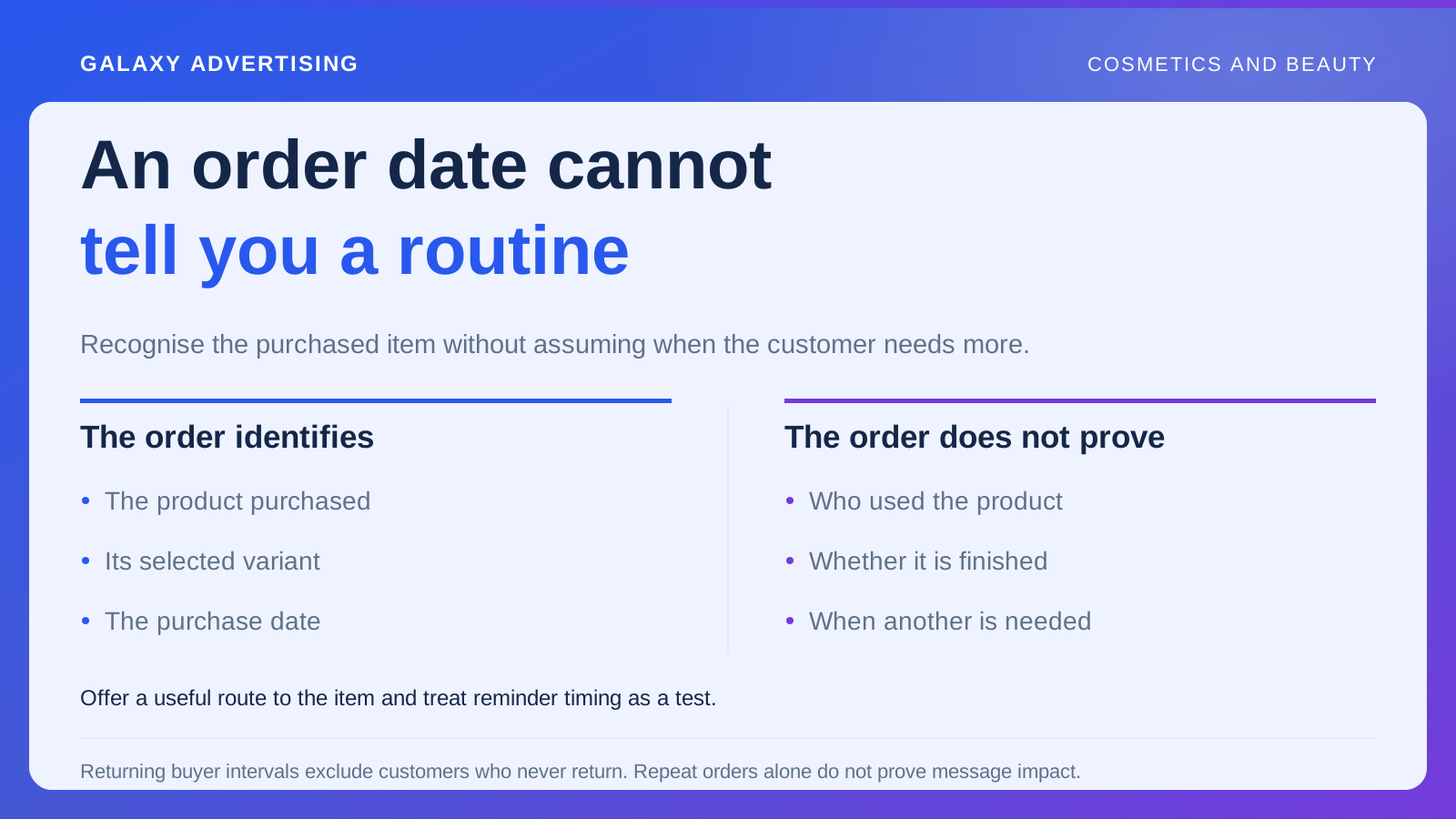
Use the evidence you hold responsibly and within applicable permissions. An order identifies what was bought. It doesn’t tell you whether the customer liked it, finished it or even bought it for themselves. Keep those unanswered questions from becoming campaign facts.
Plan around identifiable tasks instead of imagined personal profiles. An easy route to the exact product information can help without declaring that another bottle must now be needed. A relevant invitation leaves room for the customer to judge their own situation.
Make the earlier purchase easy to find
Keep product names, variants and package information consistent. A variant is the selected shade or configuration. If packaging changes, use verified information to explain its relationship to the earlier item. Don’t leave the customer guessing whether formula or quantity stayed the same.
A hypothetical shopper returning for a particular shade should not have to identify it from a tiny picture. Use your actual product references and a clear destination. Recognition should help them, rather than become another task to complete.
Check what happens if the item is unavailable. An obsolete page or unexplained substitute can waste the recognition you’ve earned. Give an honest account of availability and a useful information route where one exists. A familiar name alone cannot make the offer current.
Answer useful questions before inventing a routine
Look at enquiries received after delivery. People may ask about packaging, manufacturer directions, included components or where to find verified information. Making those answers easier to reach can be useful without prescribing a personal routine.
Stay within approved guidance. Don’t expand an ordinary follow up into medical or personal suitability advice because confident wording seems more engaging. The message should not improvise advice the product page itself would not responsibly provide.
Give questions beyond your competence an appropriate response process. A clear boundary belongs in professional service. It also gives the people managing an automated sequence a dependable way to handle a query that its prepared wording cannot answer.
Treat the timing as something to test
An order date does not reveal an exact depletion date. Usage, sharing, gifting and other purchases can all affect whether a reminder is relevant. Avoid presenting a guessed schedule as if you know what has happened in someone’s home.
If you test a reminder, keep the invitation proportionate. Offer an easy way to reorder when useful, rather than announcing that the customer has run out. Review whether it produces suitable orders and whether customers indicate the timing is unwelcome.
Actual repeat order history can improve planning, but it has limits. An observed interval among returning buyers does not represent every first time customer. People who never return are absent from that calculation. Don’t give that partial view a wider meaning than it has.
Give another product a clear reason to appear
Choose an additional item for a relationship you can explain accurately, rather than because it needs stock clearance. A package accessory, another shade or a documented companion product can offer a coherent next step where the actual offer supports it.
Explain the difference and why someone might explore it. Don’t make the original purchase sound incomplete or inadequate simply to press for another order. The customer should be able to assess the additional offer independently, on what it really provides.
Check compatibility and combined use claims against relevant approved information. Marketing convenience is not a product source. If the relationship cannot be supported, choose another proposition instead of covering the missing fact with reassuring language.
Measure what the relationship retains
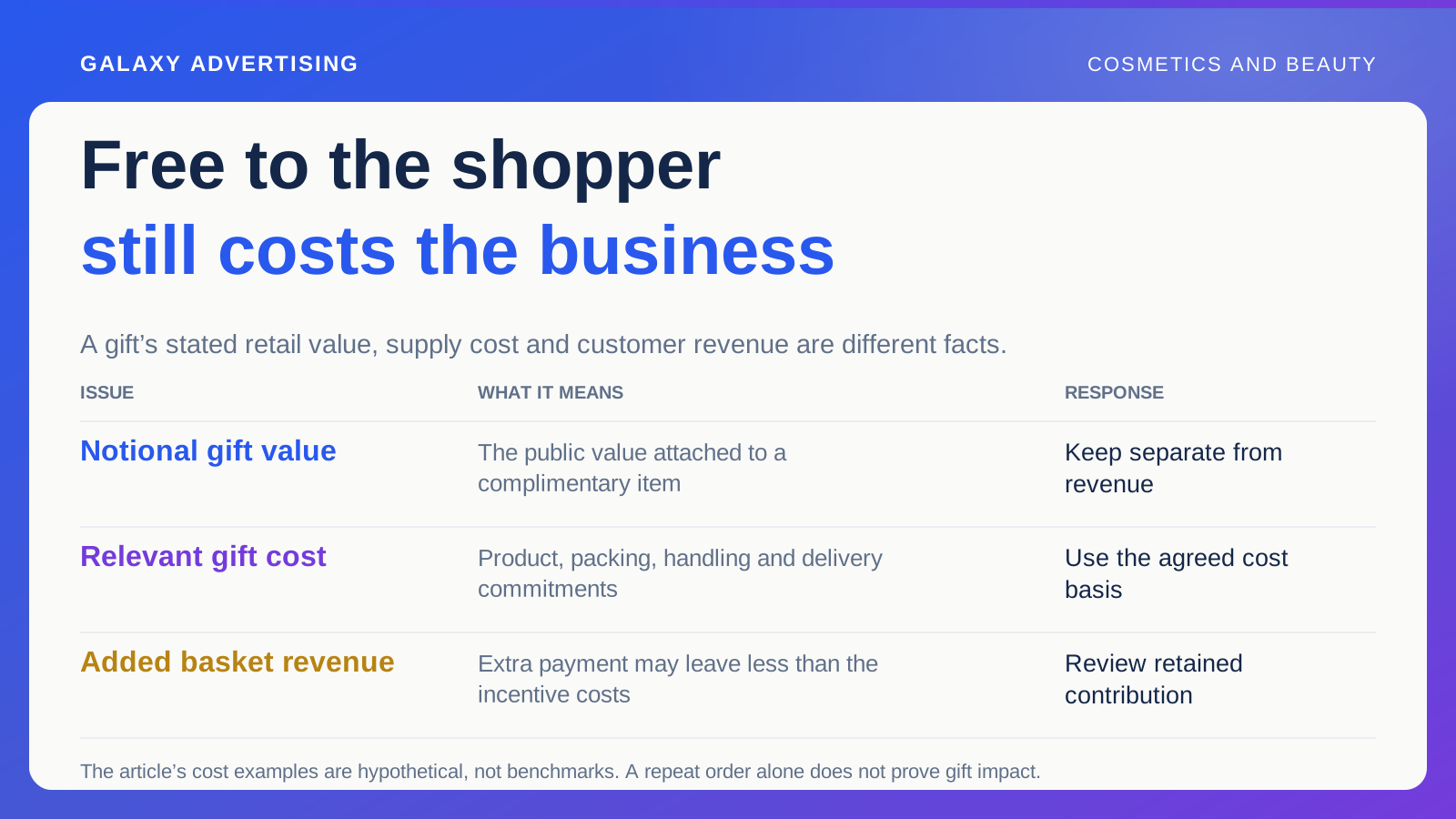
Review repeat orders consistently, including relevant discounts, fulfilment costs and refunds. Attention or revenue alone doesn’t establish whether a message is the most worthwhile use of the relationship. You need to understand the resulting order on your chosen commercial basis.
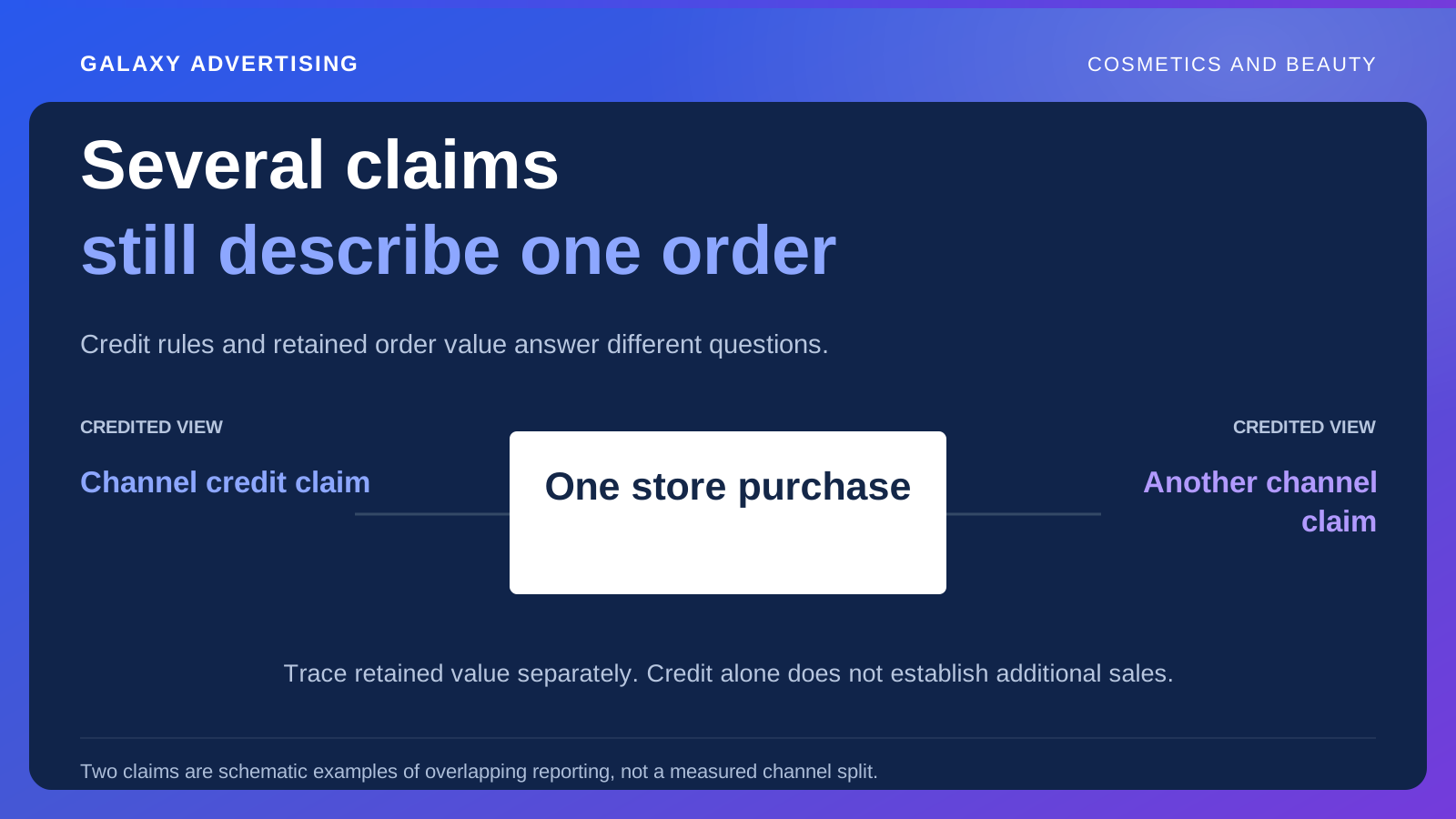
Separate an observed repeat purchase from a claim that your communication caused it. Someone may already have planned to return. If you can arrange a suitable comparison, agree its purpose and limitations before reading the outcome. That gives the conclusion a clearer foundation.
Inspect the offer as well as the recipients. If only an unusually deep discount succeeds, understand whether the resulting contribution, the money remaining after included costs, supports the programme. Repeating the offer can make that cost feel familiar while its economics remain weak.
Consider somebody who originally bought a gift. A replenishment message may be irrelevant despite the accurate order match. An invitation to revisit the actual item leaves room for that uncertainty. Respectful wording is a practical part of audience planning: it stops your message assuming more than the record establishes.
Keep the relationship manageable
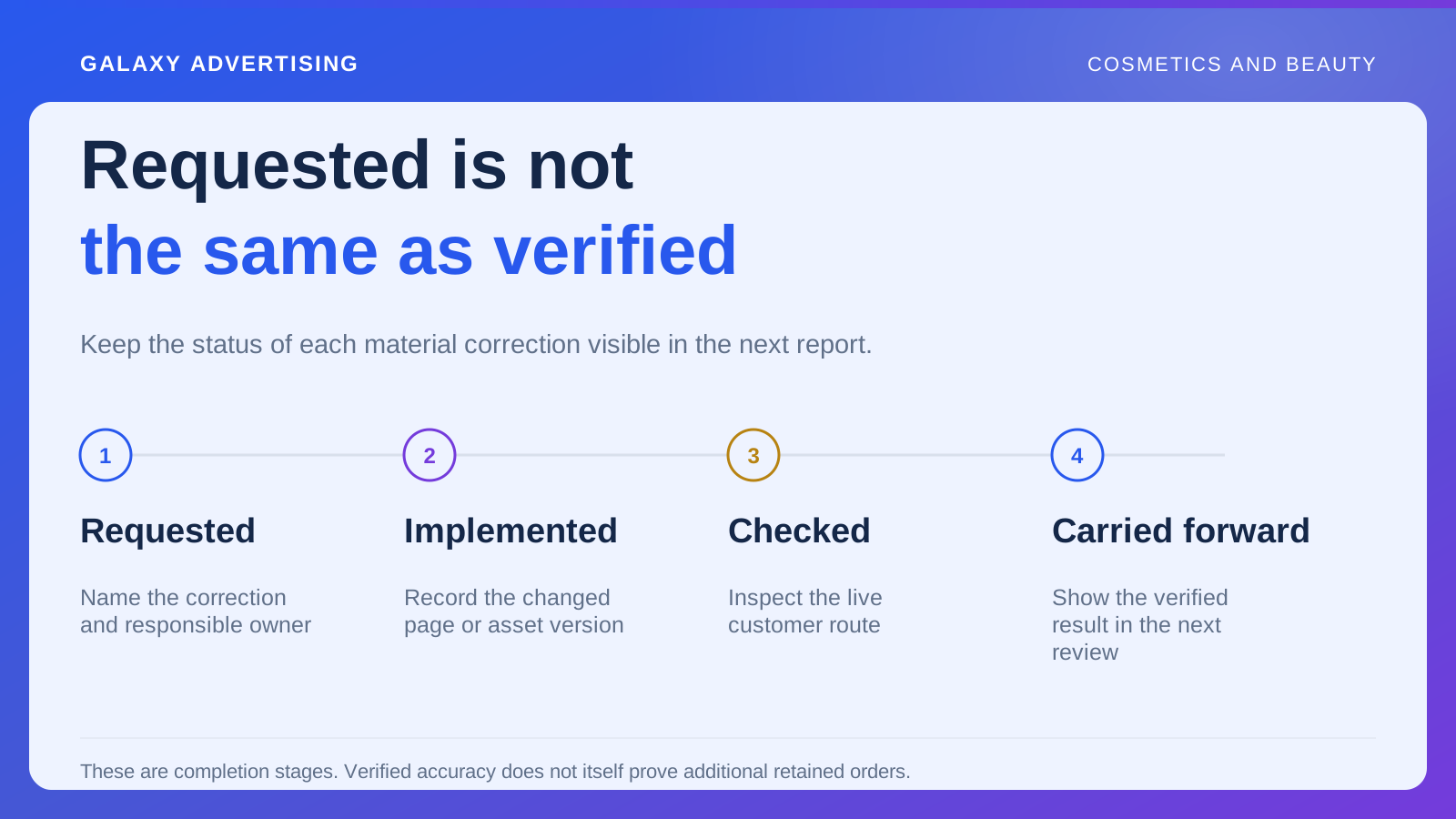
Make preferences and contact routes clear in the systems you use. Assign someone to review recurring questions, unwanted messages and product information errors. Automation still needs an operational owner, especially when the same mistake could keep appearing in later communications.
Retire old messages as the range, package or offer changes. A customer shouldn’t receive an obsolete promise because a sequence remains active and nobody has reviewed it. Your current relationship deserves current information.
A useful returning customer programme recognises an earlier purchase without claiming to know the whole person. Make the next relevant decision easier and give someone a reason to revisit. The same introductory argument, sent more often, cannot supply that reason by itself.