 TikTok Ads
The storage demonstration earns a visit to your product page. The customer leaves. Your next advert repeats the video with a louder request to buy, but the unanswered question may still be how much fits inside the bench or whether it works in their hallway.
Another chance to show the offer doesn't tell you what that person needs. A page visit isn't proof of purchase intent, and you cannot know every visitor's motive.
Start with that uncertainty. You can still identify reasonable questions and create accurate material that gives an interested shopper a useful next step. The reason to follow up should come from the information you add.
Returning interest isn't an almost completed sale
Someone may return to compare options, check a detail, seek inspiration or help another person. Don't describe every visitor as a sale waiting to happen. The observation is real, but its explanation remains open.
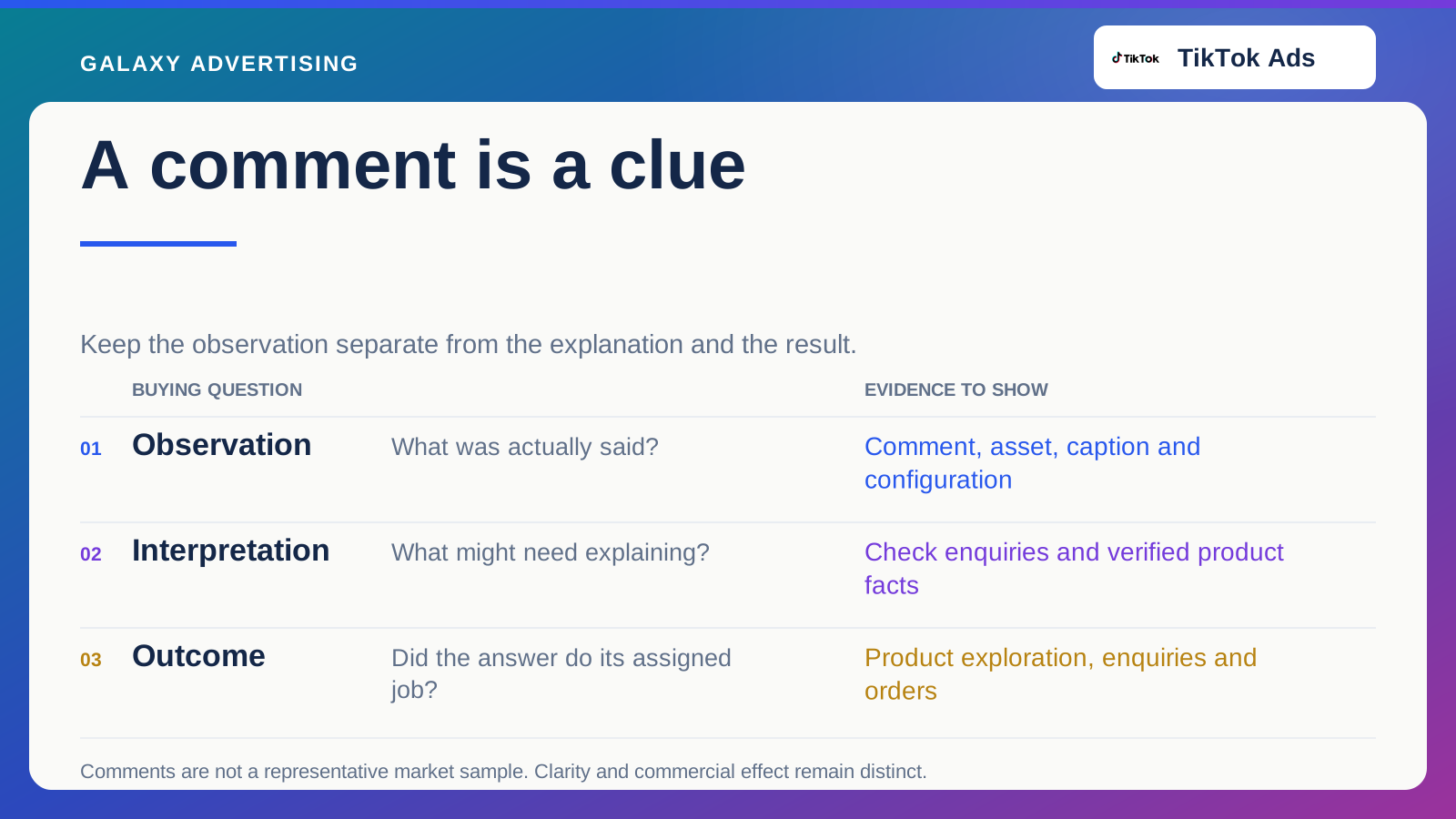
Review product interactions and enquiries for questions worth addressing. They don't give you a complete account of individual motivation, particularly when observations are incomplete or combined across people. Keep the proposed explanation separate from what you actually observed.
For a hypothetical storage bench, recurring enquiries could concern the internal compartment or the dimensions needed in a hallway. Those questions give a follow up concept direction. They don't establish that everyone who watched the first video shares the same objection. An informed possibility is useful without becoming a universal claim.
Check what the first route left unanswered
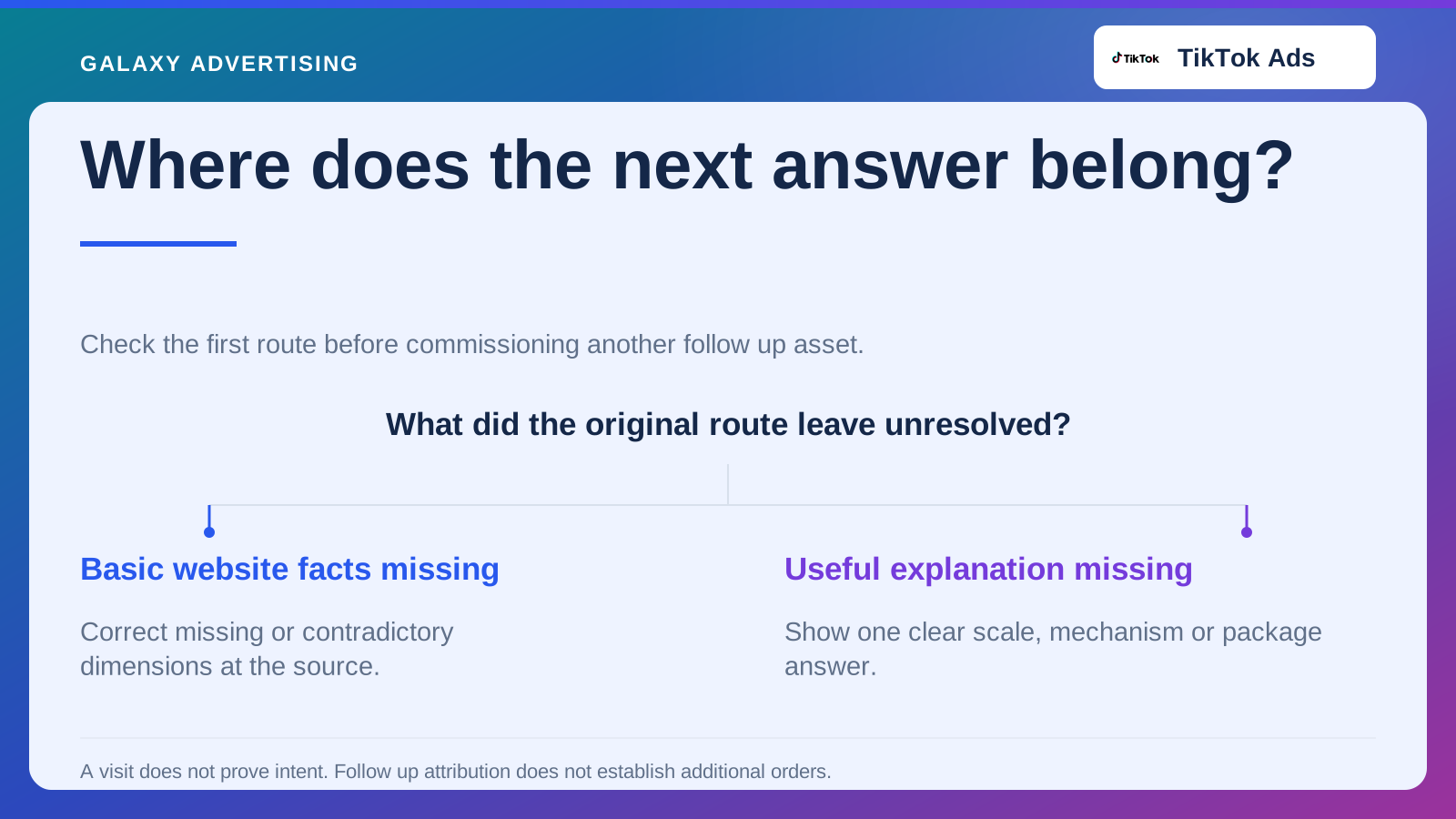
Review the original demonstration and destination together. List what they answer clearly, what they leave to another page and any genuine gap in the offer presentation. You need to know whether another advert is the right place for the answer.
Correct basic website gaps before paying for another opportunity to explain them. Missing or contradictory dimensions need accurate product information. Retargeting, meaning advertising to people who've already interacted, isn't a sensible permanent substitute for that repair. The next asset should add perspective rather than indefinitely compensate for an avoidable defect.
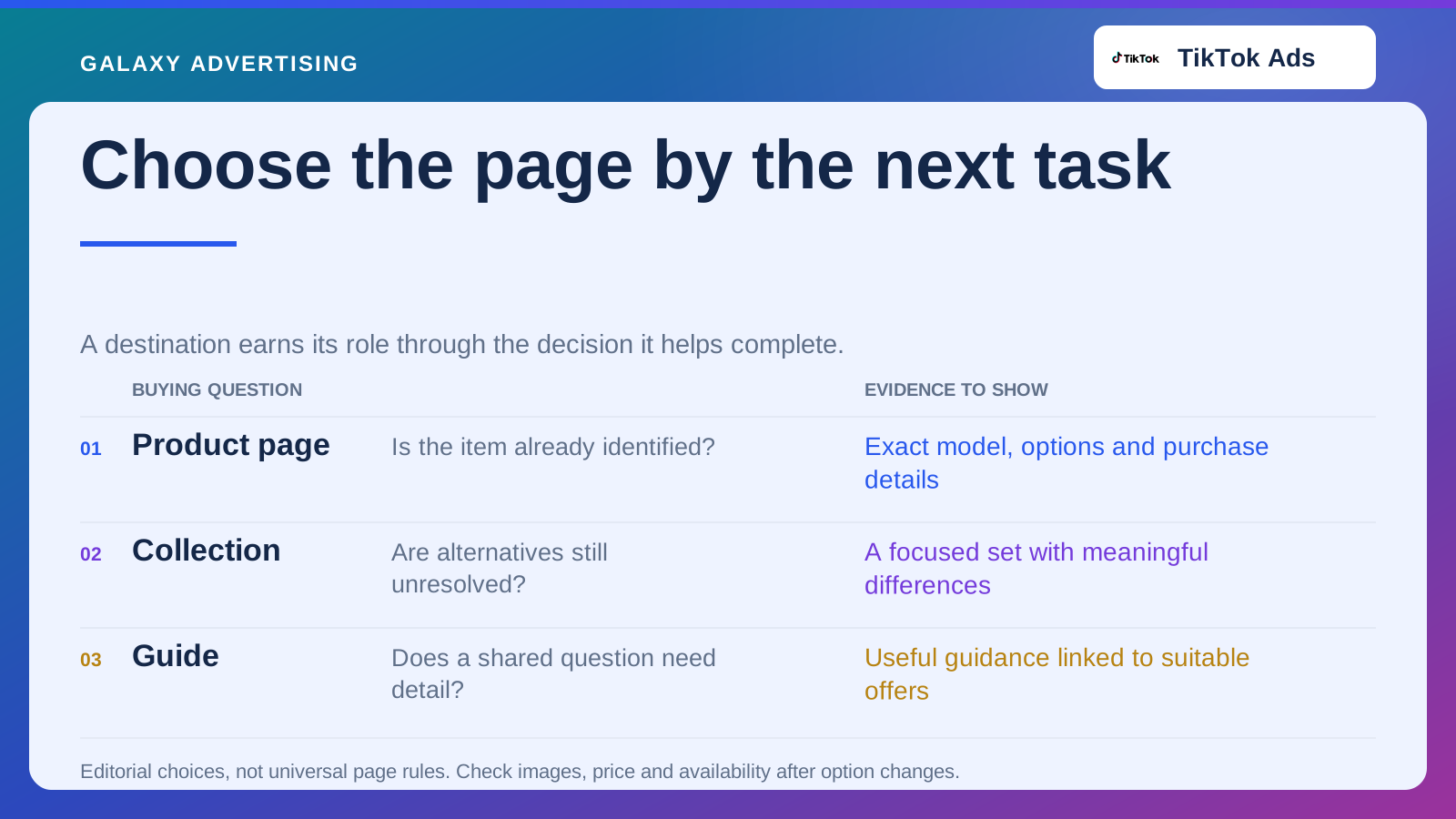
Then consider which questions benefit from another form. A still reference might explain scale more efficiently than another lifestyle montage. A continuous demonstration could make sense of an opening mechanism shown too quickly in the first edit. Match the format to the uncertainty, rather than automatically ordering another video like the last one.
Give the next asset a different job
Choose one unresolved decision and build the evidence around it. You might explain the actual configuration, show the storage arrangement or clarify what comes in the package. Each offers a distinct reason to return.
Keep the connection to the original product recognisable without expecting perfect recall. The next advert needs to make sense alone as well as in the intended sequence. A complicated series that relies on everybody watching in the right order can be difficult to interpret.
Don't turn the asset into every remaining specification read aloud. Detailed information can live at the destination. The advert needs to make one useful question intelligible and point clearly towards the relevant answer. Focus helps define what you'll later review.
Offer reassurance before adding pressure
A deadline or limited stock claim must describe a real condition you can verify. Having seen the product before isn't a reason to manufacture urgency for that visitor. The condition needs to belong to the offer itself.
Consider whether reassurance would be more useful. The documented delivery service or exact package may help a suitable buyer more than another percentage reduction. Choose according to the offer and available evidence, rather than assuming price is always the remaining obstacle.
Be careful about financial hesitation. Someone may be unable to accommodate the item, prefer another option or simply be early in research. A discount doesn't resolve every objection. It can reduce contribution, the money left after the relevant costs, without changing the underlying decision. Lowering the price and helping somebody decide aren't automatically the same thing.
Check what your audience setup actually supports
Ask the account team to inspect current tools and permissions for the proposed follow up audience. A capability on another platform or in an older guide isn't evidence that your current setup supports the plan. Verify before building the brief around it.
Document the intended audience definition, purpose and relevant supported exclusions. Where needed, have the person responsible for privacy and data governance verify the proposed use. The commercial brief shouldn't silently become wider data collection or use without clear responsibility.
Keep observational limits in the campaign explanation. You may have a chance to reach some relevant people. You haven't established a complete list of everyone who considered the product, and you cannot guarantee an ordered series of exposures. The creative needs to remain useful within those limits.
Ask what the extra message adds commercially
Read product exploration, enquiries and orders alongside attributed campaign reporting. Does the material appear to answer its assigned question? Are the resulting orders commercially suitable? Those are more useful questions than whether a returning audience produces an attractive headline ratio.
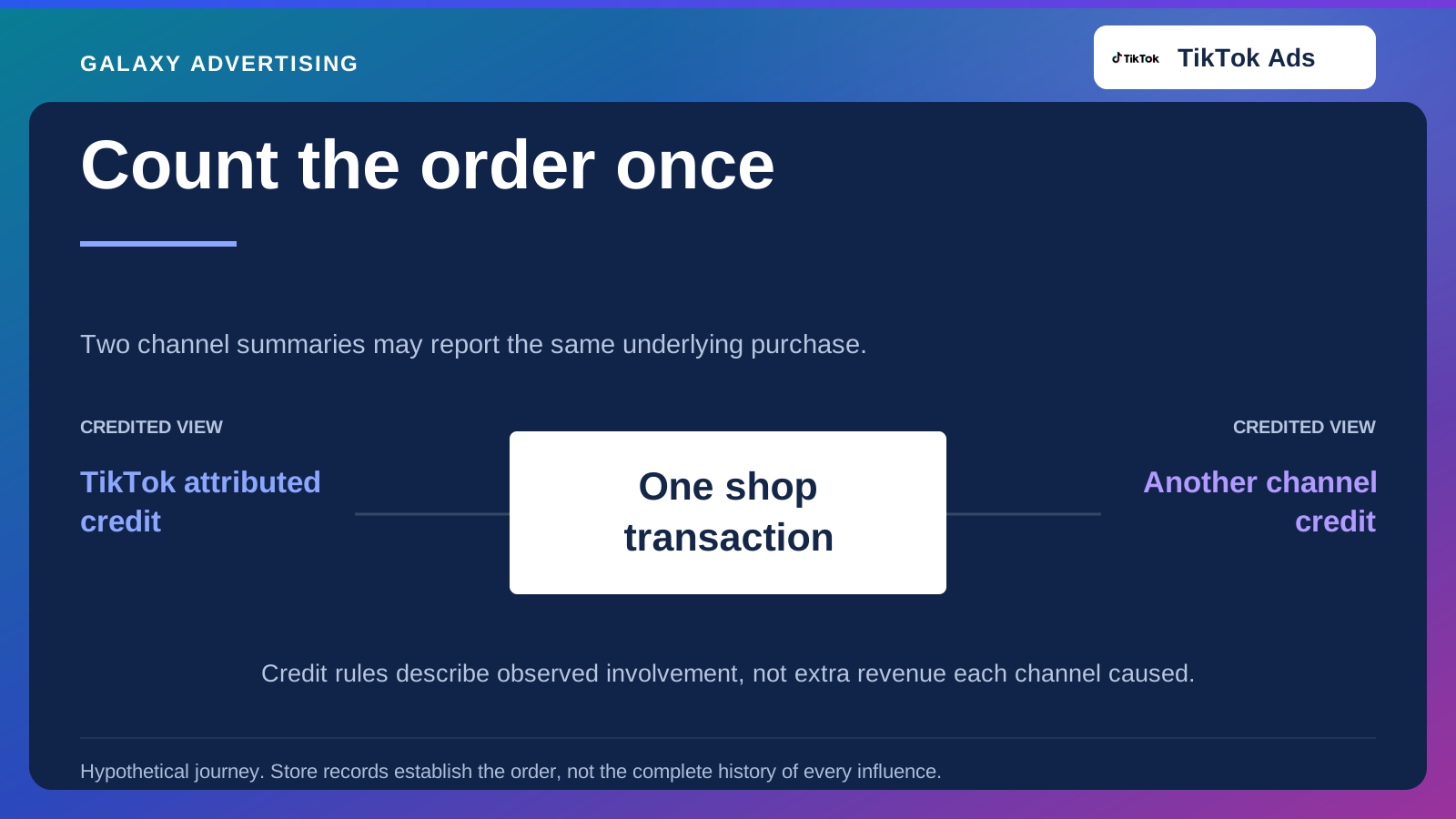
Don't assume every attributed order was caused by the follow up. People may have returned anyway or encountered other activity. If you need stronger causal evidence, discuss an appropriate comparison design with the measurement team. A dashboard total doesn't settle that question by itself.
Inspect overlap and unnecessary repetition too. Each message and increment of investment needs a purpose. A high reported return alone doesn't explain why the particular asset deserves more spending. Keep its informational role and commercial evidence connected.
Retire the answer when the question changes
Review product facts and asset roles as the offer changes. A configuration demonstration loses usefulness when that arrangement becomes unavailable. A delivery explanation needs updating when the service changes. Earlier relevance doesn't guarantee present accuracy.
Record the uncertainty the asset addressed and what you learned. That makes retirement a considered decision and helps the next brief start with a sharper question.
Following up should help a suitable customer continue a real decision. Useful information and an accurately represented offer give you a defensible reason to speak again. Repeating the first pitch more insistently needs its own commercial justification.