 Google Ads
A bigger conversion total is not proof that your shop is selling more.
That feels rather obvious until a review celebrates growth while completed orders barely move. The total includes purchases, basket additions and other interactions. The dashboard could be recording them accurately. It's the meaning attached to them that has gone astray.
Before changing bids, check the instructions behind the result. A conversion is an action you've configured the system to measure, not a promise that something commercially worthwhile happened.
Write down what each action actually means
List your conversion actions, where they come from, what they're intended to mean and which campaigns use the relevant goals. Include historical actions, even those nobody currently managing the account remembers setting up.
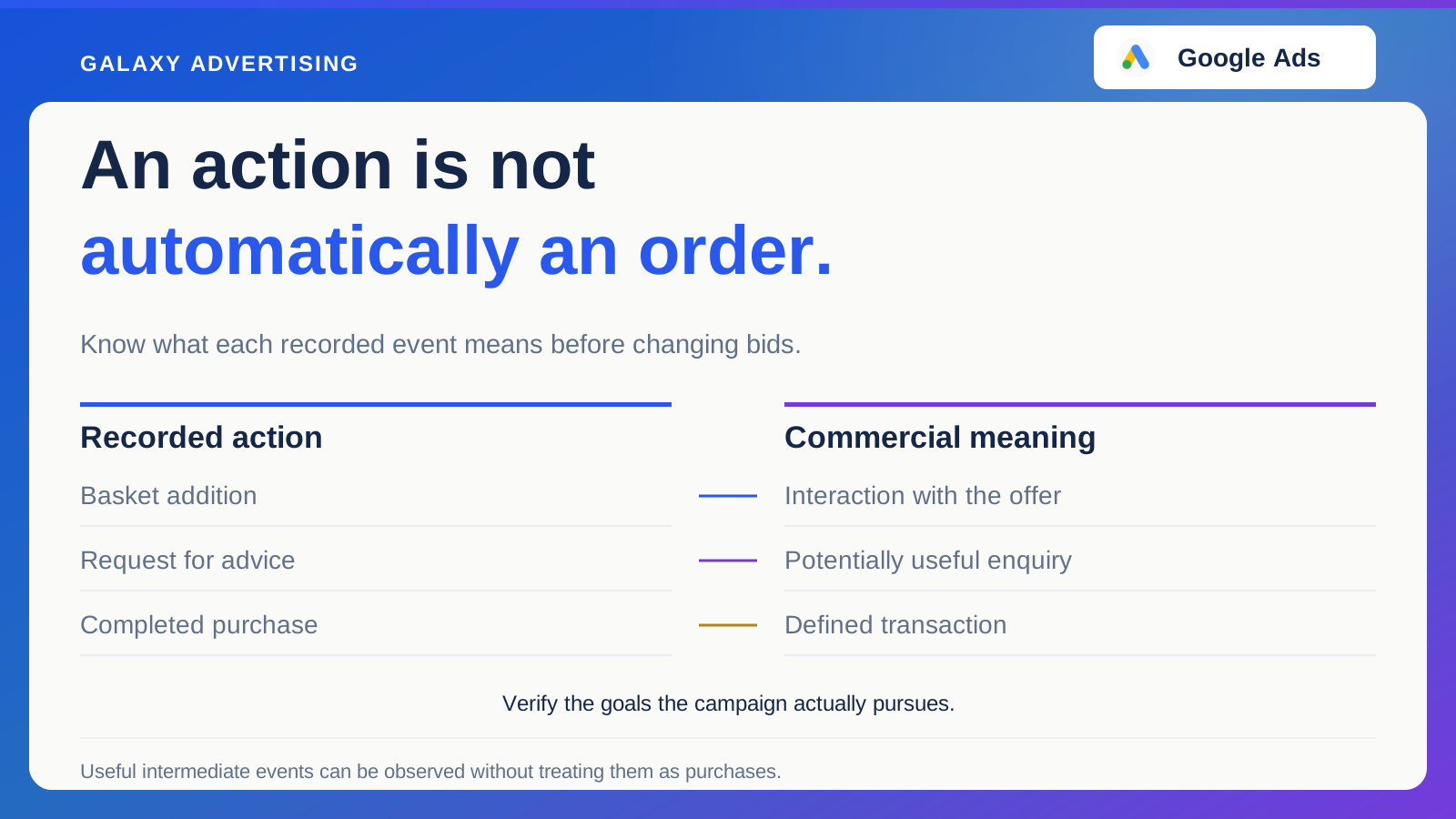
Explain each in ordinary words. A basket addition shows someone interacting with the offer. A purchase action should match your defined completed transaction. A request for advice could be a useful enquiry, but it isn't an order.
This is where teams often discover they've been agreeing with different things. The developer implemented the requested event correctly. The commercial team thought it represented something more substantial. Writing down the meaning saves another discussion in which everyone says “conversion” and nobody means quite the same thing.
Are you observing it or asking the campaign to pursue it?
Google distinguishes primary and secondary conversion actions, with important details depending on the goals you're using. Check the current documentation and your actual campaign configuration. A label in one report isn't the whole story.
Find out which actions influence optimisation, meaning what the campaign is being directed to pursue, and which mainly help you understand the journey. An intermediate interaction can be worth observing without being a sensible substitute for the main business outcome.
Don't throw useful measurement away to tidy up the headline. Keep the information that helps diagnose the buying route. Make the campaign's instructions and the interpretation of the report explicit instead.
Could the same order be arriving twice?
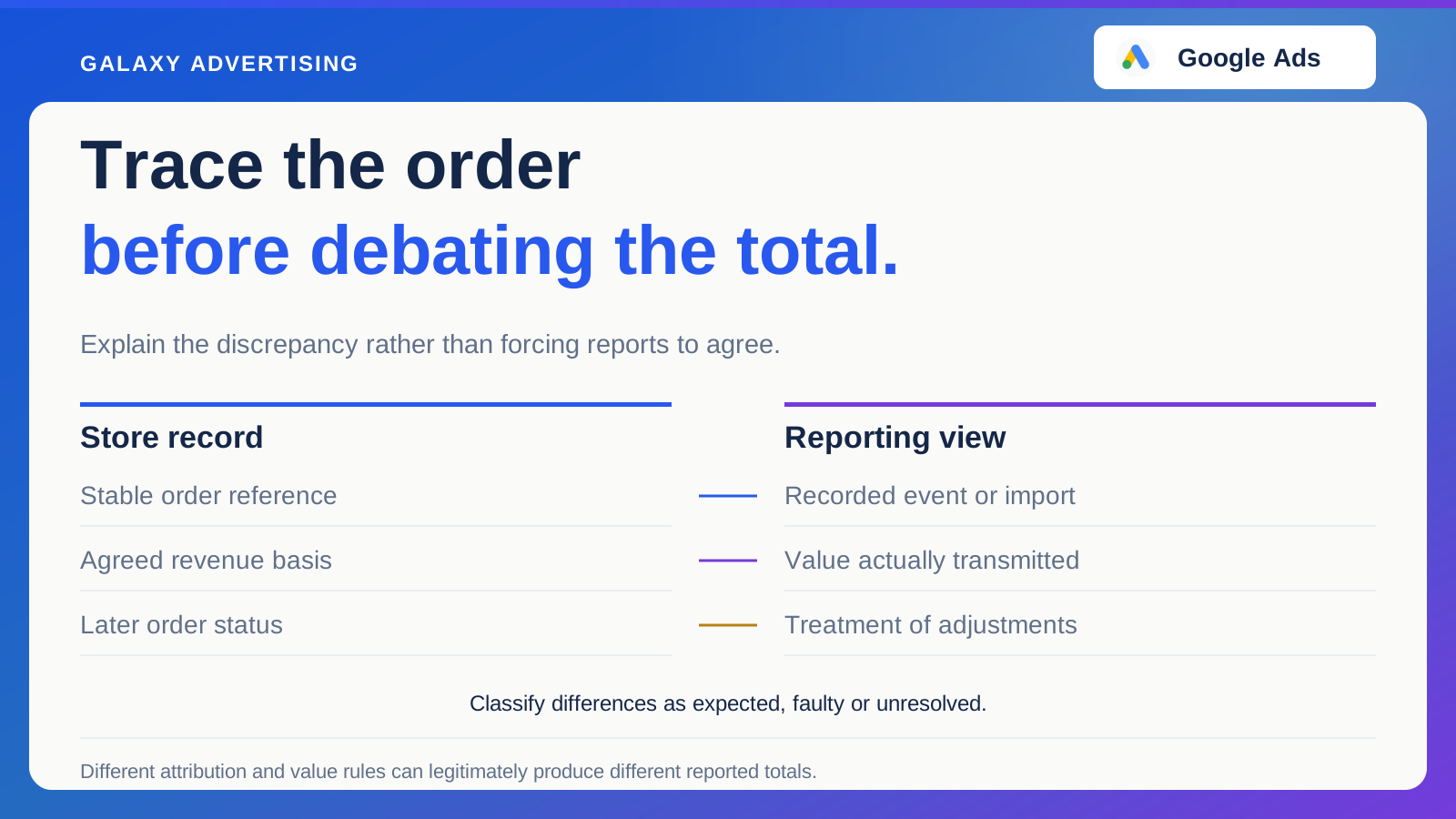
Your store could record a transaction through more than one implementation or import. That doesn't mean the business should count it more than once as a commercial success.
Trace a small sample from the order system through the relevant reporting sources. Check whether each transaction is represented consistently and whether the account could treat multiple records as separate outcomes. Otherwise, an apparent improvement could be a counting problem wearing a very respectable suit.
Don't change the whole account because two action names look alike. Similar names can serve different purposes. Different names can refer to substantially the same transaction. Inspect both the implementation and settings with whoever owns measurement before deciding what to change.
What does the value represent?
Take a hypothetical account recording one £800 order and four basket actions, each assigned £100. Add them and the combined value is £1,200.
The store hasn't received £1,200 in order revenue.
Imagine you're the owner looking at that total. You'd reasonably want to know which part was money and which part was an internal score. That interpretation needs sorting even before discussing how the configuration affects optimisation.
For purchases, clarify how values treat tax, shipping, discounts, currency and later order changes. A value can travel through the technology exactly as intended and still be unsuitable for the meaning given to it in a management report.
For nonpurchase actions with assigned values, document the reasoning. An illustrative internal score isn't actual revenue. If you combine different kinds of value, don't call the result sales without explaining what's included. This keeps an apparently neat number from steering a real spending decision on the wrong basis.
Keep a record when the meaning changes
A new goal configuration can change what the report means. Record internally when definitions changed and explain any break in comparability. Both the measurement owner and the account owner need access to that history.
When reviewing the period around a change, separate a new counting basis from a genuine change in customer behaviour. A fall in loosely defined conversions could look like deterioration even though completed sales haven't worsened.
Let your account manager explain the expected operating consequences of the correction. Don't demand immediate continuity in a measure whose meaning you've deliberately changed. That would ask the team to fix the definition and preserve its old ambiguity at the same time.
Keep the clues that help explain missing purchases
Basket and checkout interactions still have value. They can show where suitable visitors encounter uncertainty or a functional obstacle.
Read them alongside product availability, page behaviour and customer questions. Lots of interaction without orders could reflect research, missing delivery information or unsuitable traffic. The count alone doesn't tell you which explanation is right.
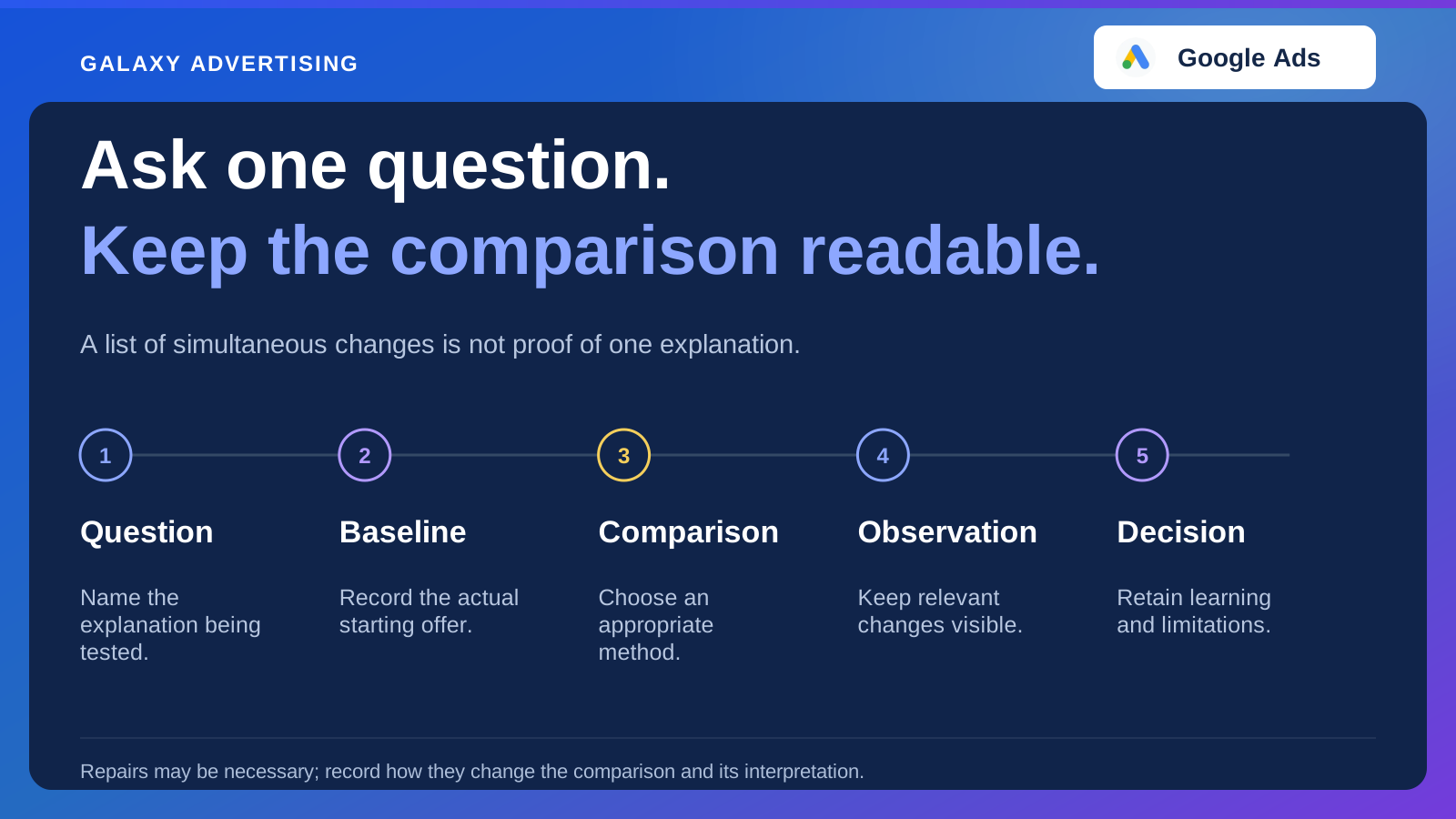
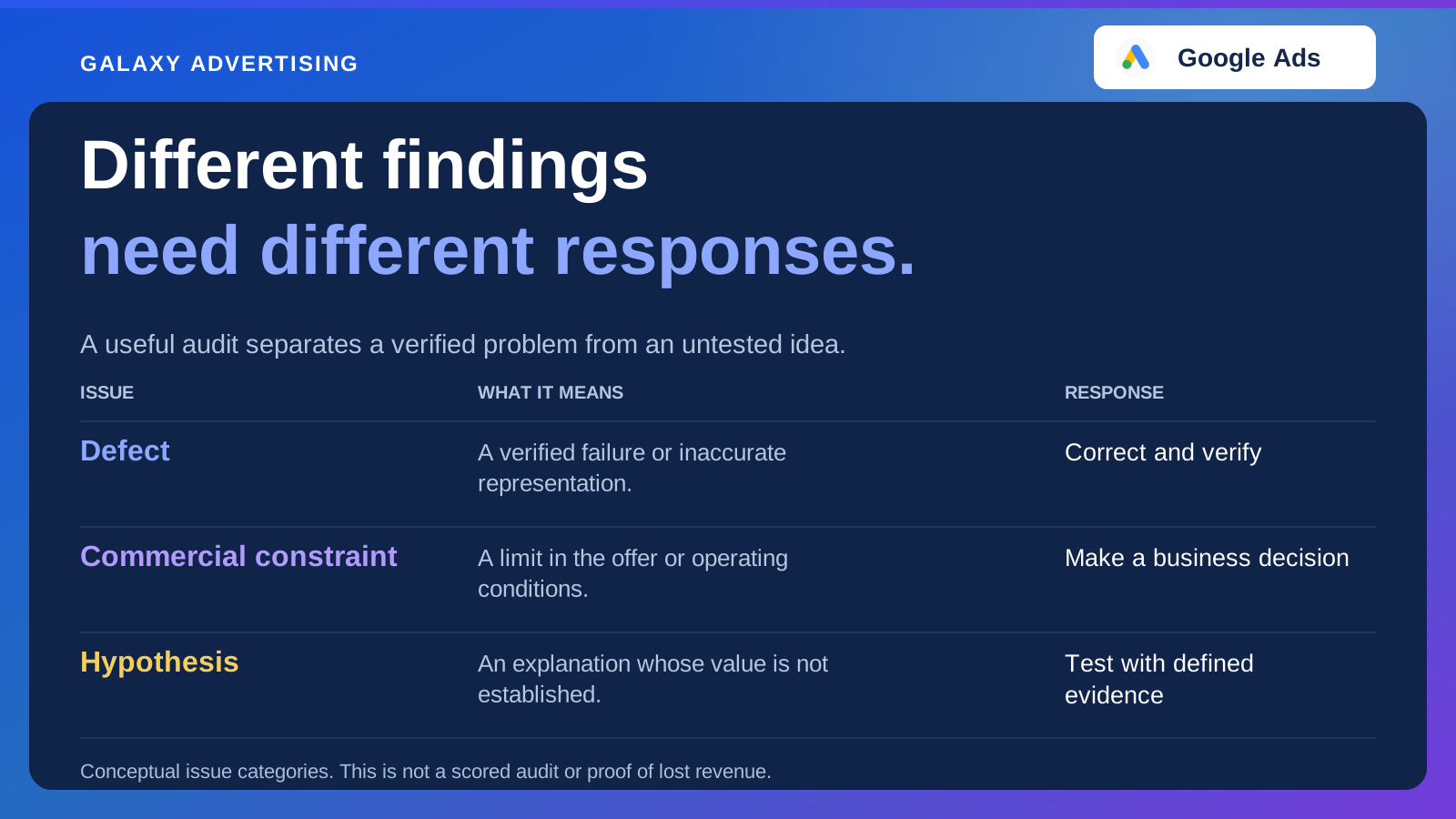
Follow the evidence when choosing the correction. Repair a broken action when you find one. Clarify an incomplete offer when that's the issue. Keep a hypothesis labelled as a hypothesis until you've established a fault.
Ask for a demonstration you can understand
Before approving a change, choose a small sequence to inspect: a product visit, a basket interaction and a genuine completed order under your agreed test process.
Ask the implementation owner to show the records each produces. Ask the account owner to explain how those records are used. You don't need to operate the technical tools yourself. You need to connect what they demonstrate with the outcome you believe you're measuring.
Include a discounted transaction, or another relevant value condition, if it matters to normal trading. Write down what should appear and investigate discrepancies before using the setup to judge performance.
Agree how you'll detect later changes, such as a checkout replacement or new import. Verification doesn't last forever when the systems feeding the data change. This acceptance test gives future reviews a reference, rather than letting the same uncertainty return with a new event name.
Agree what the report is allowed to call a sale
Specify which total means purchases, which values mean revenue and how intermediate actions will appear. Put the source and limitations beside each measure, where the reader needs them.
Keep an owner for the measurement inventory. A redesign or integration can change the data route while your advertising strategy stays exactly the same.
The bidding system receives goals and data, not your unspoken intentions. Before judging its choices, make sure the instructions describe the business you actually want it to bring you.